
Key takeaway: On October 20 and 21, Google Search Roundtable reported heightened Google Search ranking volatility and unusually heavy SEO discussion, whil.
On October 20 and 21, Google Search Roundtable reported heightened Google Search ranking volatility and unusually heavy SEO discussion, while stressing that the suspected change was unconfirmed. The report also warned that third-party tracking tools might not yet be measuring the movement reliably. Separately, Semrush described how Feature Upvote corrected a wrong Google AI Overview answer about its public REST API. The reports connect to SEO visibility measurement and AI search monitoring, but they do not establish a direct causal link between the ranking chatter and the AI Overview change.
Key Takeaway
Google ranking movement observed around October 20–21 had not been officially confirmed as an update. In the Feature Upvote case, Google’s AI Overview initially said the company did not have a public REST API. After the company updated outdated pages and submitted relevant pages to Google for indexing, the answer changed to “yes” for some queries within about an hour. Other query variations continued to produce the wrong answer for several more days.
What the unconfirmed volatility means for SEO measurement
The Search Roundtable report collected differing SEO community observations about search traffic, clicks, impressions, average position, and Discover traffic. One reported pattern was higher impressions and better rankings alongside a substantial click decline, but these were individual observations rather than a controlled measurement. The report also said that some or possibly all third-party rank trackers were struggling to capture the volatility. SEO teams should therefore compare Search Console data, site traffic, conversions, and rank-tool readings instead of treating one volatility chart as proof that Google launched a core or spam update.
How to monitor brand facts in AI search
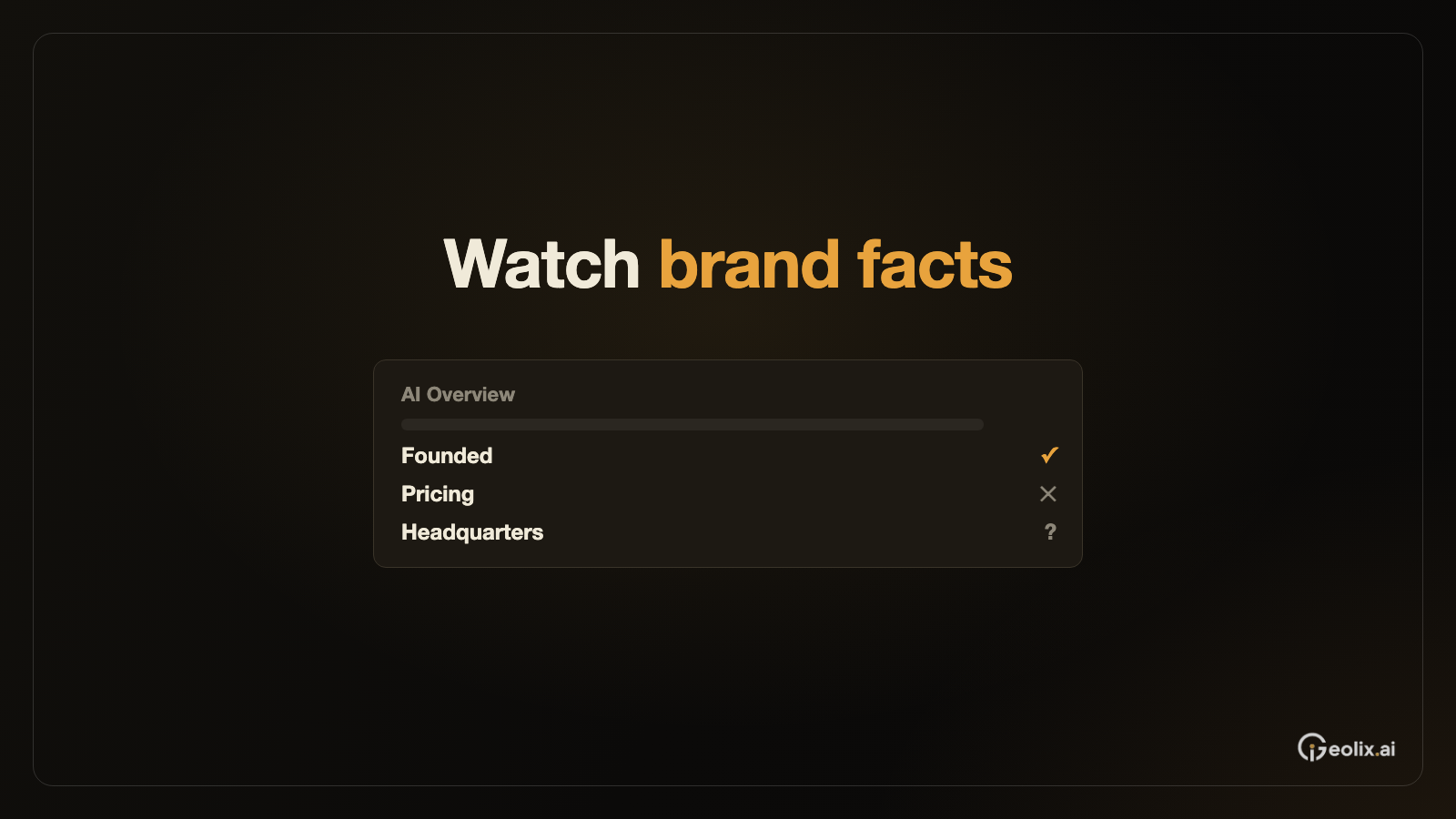
Feature Upvote’s documented process was practical: correct outdated pages cited by Google, state the public REST API clearly, publish supporting material, and request indexing for the relevant pages. The AI Overview changed first for particular queries and became more consistent only after additional time. For important brand facts such as features, pricing, policies, or operating details, teams can keep a fixed set of prompts, record the exact answers and cited pages, and repeat the same checks after updates. This is a monitoring method, not a promise that every company will see the same speed or outcome.
Method and Limitations
The public reports confirm one company case and an unconfirmed period of Google Search volatility. The Feature Upvote result cannot establish a general update time for Google AI Overviews, and it does not show that requesting indexing will always correct an AI answer. Ranking tools may have tracking limitations, while AI answers and citations can change with query wording and newly available sources. Teams should retain prompt wording, timestamps, screenshots, cited URLs, and business metrics so they can compare changes over time rather than assigning a single change to an unverified Google update or an SEO action.